false
Enjoy and Preserve Our Habitats
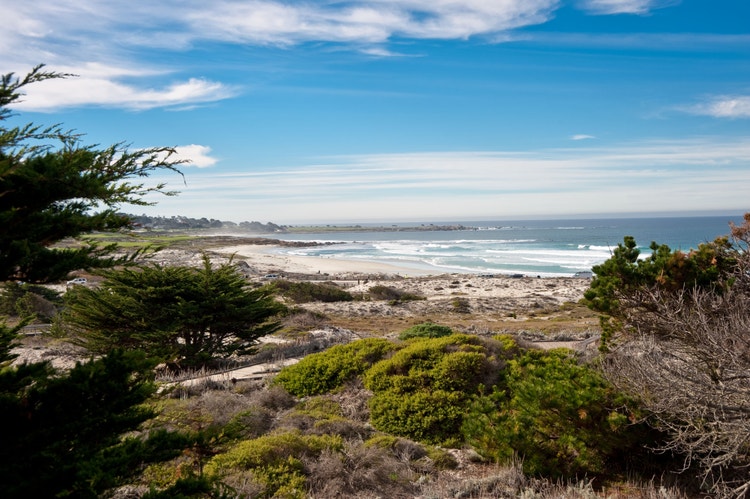
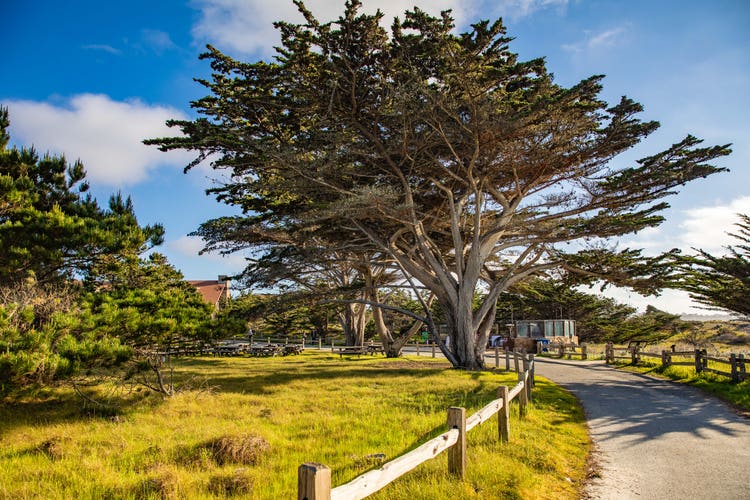
Asilomar State Beach & Conference Grounds are home to diverse plant and animal life, supported by ongoing efforts to protect, restore, and preserve these vital habitats. The dunes restoration serves as a shining example of our commitment to conservation.
filled
color-secondary
outlined
color-white
false
Nature Preservation Rules
To help protect this fragile ecosystem and ensure that future generations can continue to marvel at Asilomar’s natural beauty, please follow these guidelines:
- Keep a safe distance from all wildlife.
- Do not feed wild animals—this is prohibited by law.
- Respect signs marking sensitive and protected areas.
- Stay on paved pathways and roadways at all times.
- Avoid collecting natural items like seashells or pinecones, but feel free to capture memories with photos.
filled
color-primary
outlined
color-white
false
An Underground World
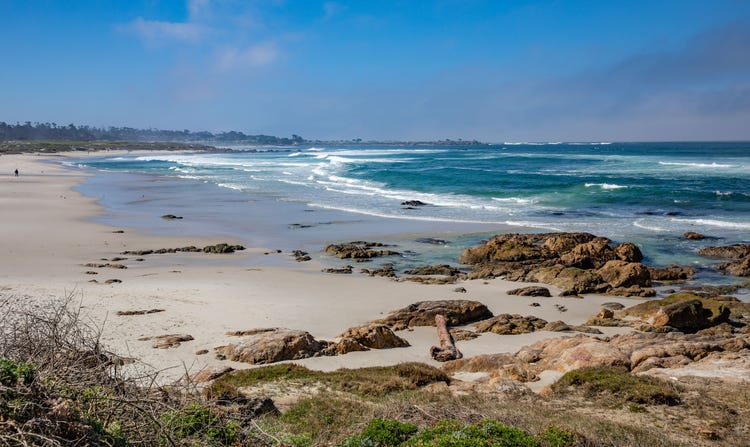
A sandy stretch of beach that seems devoid of life may conceal an underground world of marine organisms. Worms, crabs, and tiny invertebrates dwell in the first six to eight inches beneath the surface. When seawater washes over the quartz sand, it percolates into the sand, carrying with it the plankton and the dissolved oxygen that nourishes these beach creatures.
CTA 1 Text
CTA 1 Text
filled
color-primary
outlined
color-white
false
Rock of Ages
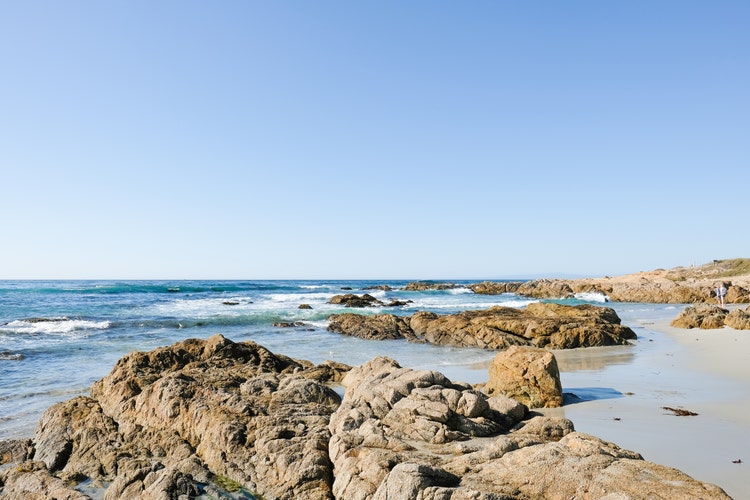
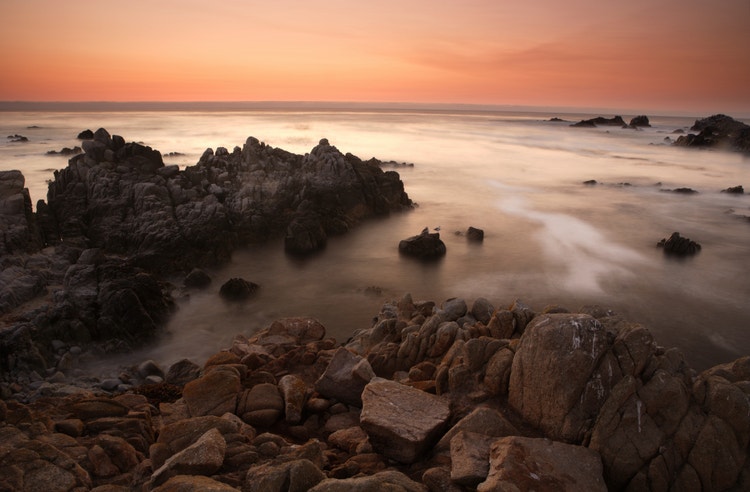
Santa Lucia granodiorite, the rock forming coastal shoreline, is more than 100 million years old. Formed from a molten mass deep in the earth, this dense, hard rock is comprised of large rectangular crystals of orthoclase feldspar, gray translucent quartz, creamy plagioclase feldspar, and black biotite mica.
View Latest Bird List
View Latest Bird List
filled
color-secondary
outlined
color-white
true
Seals and Sea Lions
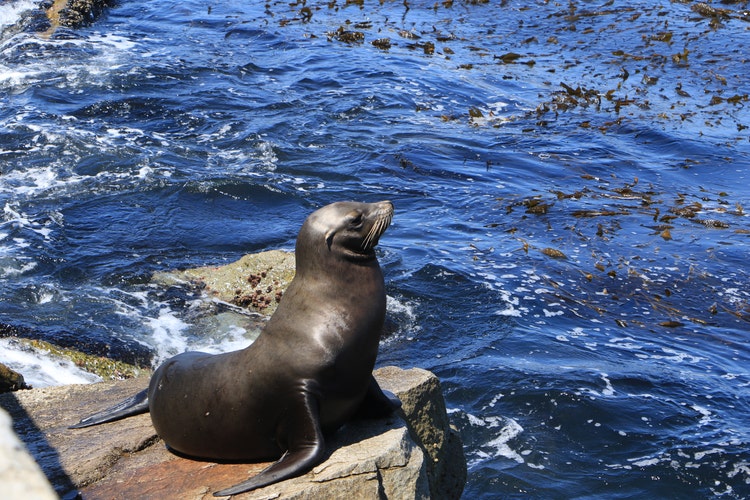
Sea lions and seals make their home in these coastal waters often seen resting on the rocks or feeding in the near-shore waters.
View Latest Bird List
View Latest Bird List
filled
color-secondary
outlined
color-white
false
Protected Marine Tide Pools
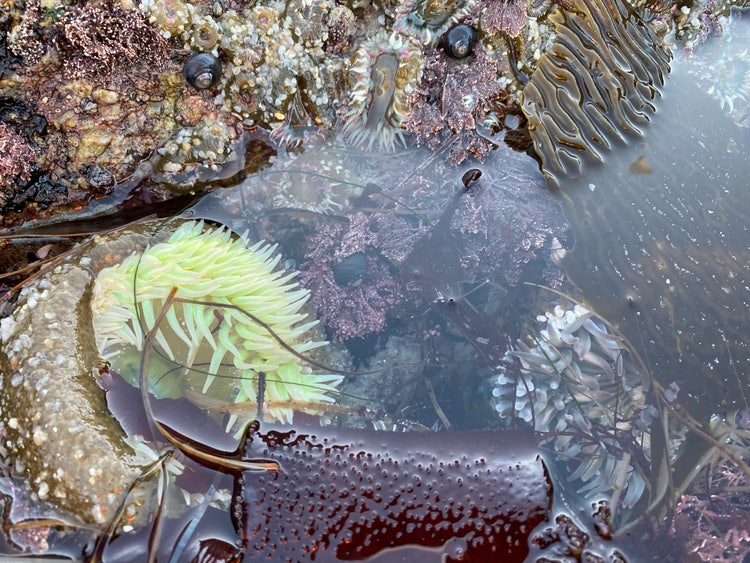
Approximately every 12 hours, the tide advances, and retreats over the rocky fringe of the coast, covering, then uncovering, a group of plants and animals that have adapted to the intertidal zone. Survival in this narrow strand is accomplished by those marine species that can find and hold their places amid the rocks including muscles and hermit crabs.
**When exploring the tide pools, please do not disturb or remove any rocks, plants, or animals. This is a protected marine reserve.
View Latest Bird List
View Latest Bird List
filled
color-secondary
outlined
color-white
false
Monterey Pines
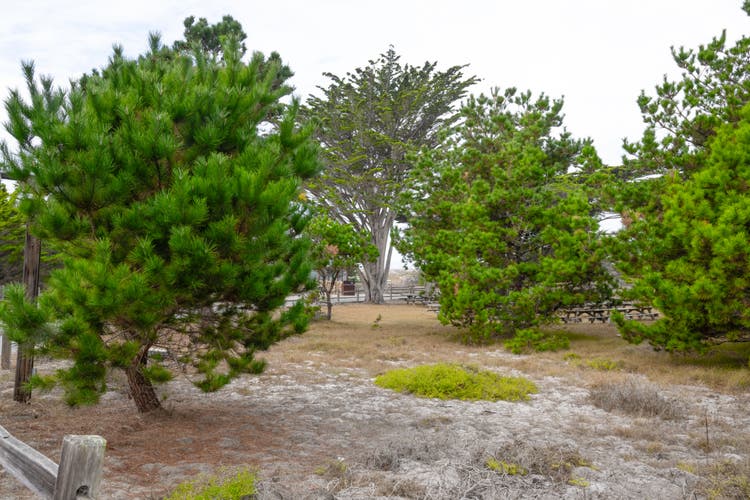
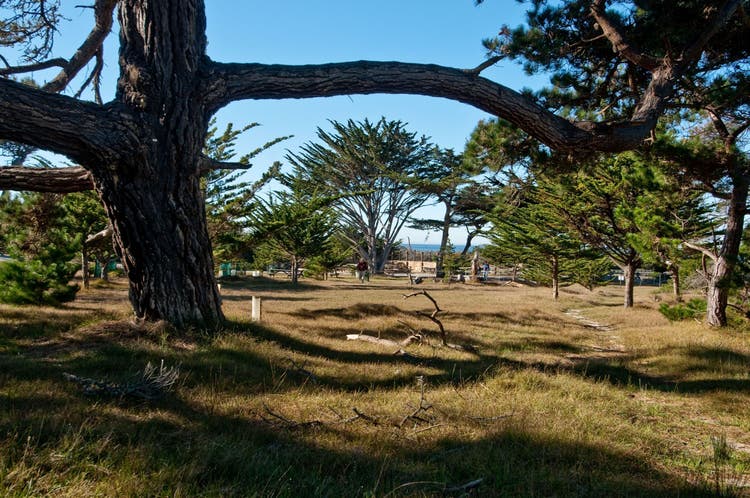
Today, Asilomar’s pine forest ecosystem struggles to survive due, in part, to the pine’s natural span of 90 to 100 years, forest fragmentation, loss of habitat, and fire suppression. These stress factors on the pines have made them more susceptible to disease. Since 1992, an introduced fungal disease called pine pitch canker has killed thousands of pines at Asilomar.
View Latest Bird List
View Latest Bird List
filled
color-secondary
outlined
color-white
false
Coast Live Oaks
In the absence of wildfire or other forest-clearing disturbance, the pine forest will eventually be replaced by oaks. Unlike many species of oaks that produce very strong wood used for furniture, cabinets and floors, the coast live oak is prone to cracking and twisting. Some coast live oaks at Asilomar have distorted trunks and twisted branches. This growth pattern is the result of growing in a windy location, salt spray, and persistent browsing by deer. Most of the oaks at Asilomar are 50 to 100 years old. Acorns are an important food source for wildlife.
View Latest Bird List
View Latest Bird List
filled
color-secondary
outlined
color-white
true
Forest Understory
The understory of the forest is made up of grasses, shrubs, wildflowers, and tree seedlings. A dense forest canopy can create ideal conditions for the understory by increasing soil nutrients, shade, and moisture retention.
filled
color-primary
outlined
color-white
false
Poison Oak
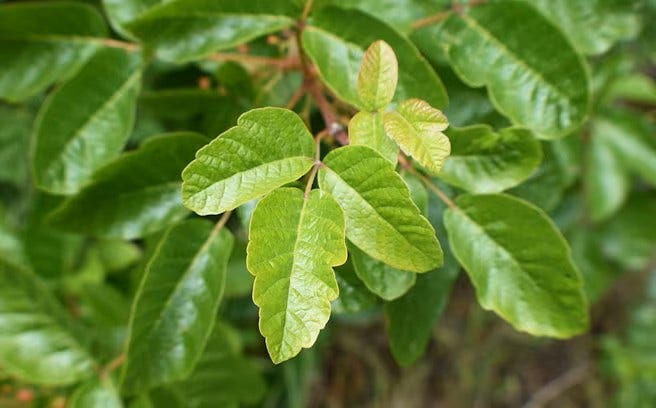
Poison oak is one of California’s most common native plants. It is recognized by its leaves, which are divided into three leaflets. One of the best-known sayings is, “Leaves of three, let them be.” Touching any part of the plant may cause an allergic reaction from the colorless oil, urushiol, in the plant’s sap. It causes severe itching and a red, blistery skin rash.
Poison oak is ideal for stabilizing soil. The dense vegetation provides shelter and protection for birds and small mammals. Stems, leaves, berries, and seeds all provide food for these animals.
filled
color-secondary
outlined
color-white
false
Meadow
The meadow is a “back dune swale,” a low area between the back dune ridge and mid-dunes. Like other swales in our dune system where nutrients and moisture content are high, the vegetation consists mostly of sedge grass and woody shrubs like coyote brush. Monterey pines can survive because the area is far enough away from salt-laden winds off the ocean.
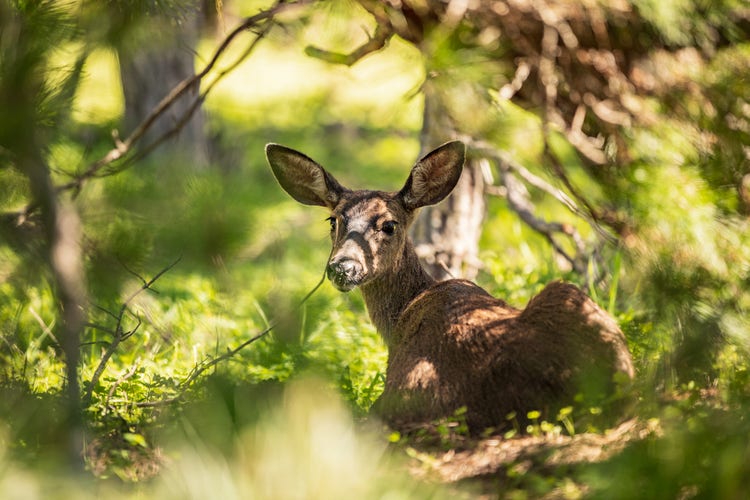
The meadow provides habitat for various small mammals and birds. Deer use the meadow as a corridor from the dunes into the forest. Portions of the meadow are fenced off periodically to protect one of the world’s rarest plants – Pacific Grove Clover. This tiny clover grows only in a few isolated places on the central coast.
filled
color-secondary
outlined
color-white
false
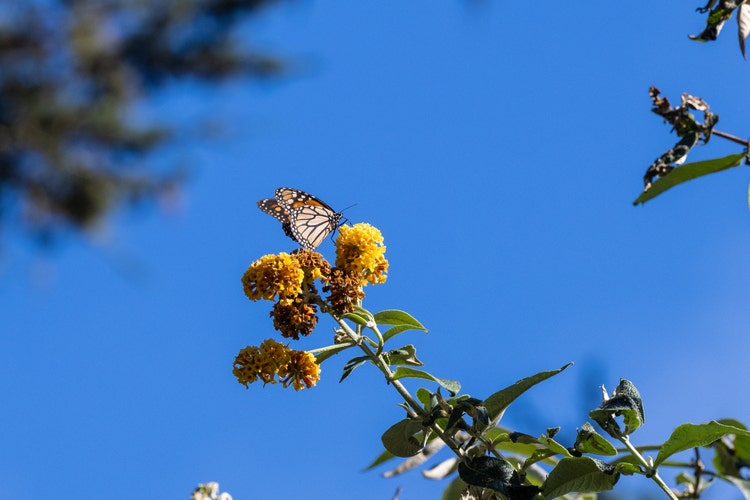
Butterflies
The Pacific Grove Monarch Sanctuary is open daily from sunrise to sunset with free admission. Docents are on-site from November through February, 12:00 to 3:00 p.m. (weather permitting).
Monarch Viewing Etiquette: Please Help Protect the Butterflies, their habitat, and fellow visitors.
- Stay on marked paths. Monarchs often rest on the ground and can be easily missed.
- No dogs allowed in the sanctuary.
- Keep noise to a minimum.
- Do not touch monarchs. Violations may result in a $1,000 fine.
- Watch for newly planted trees, flowers, and shrubs.
- Leave only footprints and take only photos and memories.
filled
color-secondary
outlined
color-white