
A Refuge by the Sea, Where Architecture Is an Act of Stewardship
In 1913, an architect named Julia Morgan received a commission that would define a legacy. She was asked to create a conference retreat on a wild stretch of Pacific coastline - sand dunes, Monterey pines, the crash of the ocean just beyond - and to make it feel as though it belonged there. What she built at Asilomar was not just a collection of buildings. It was a philosophy made physical: that architecture at its finest doesn’t conquer a landscape, it enters into conversation with it.
More than a century later, that conversation is still happening. As America marks 250 years, Aramark Destinations invites you to experience one of its most eloquent answers; a landmark not of power or grandeur, but of craft, care, and harmony.

Julia Morgan and the Buildings That Were Meant to Last
Julia Morgan, California’s first licensed female architect, broke barriers in 1904 after becoming the first woman admitted to Paris’s École des Beaux-Arts. Over five decades, she designed more than 700 buildings, including Hearst Castle. At Asilomar, Morgan used Monterey pine, redwood, beach stone, and hand-crafted woodwork, shaping each structure to complement the dunes and forest rather than compete with them. Working with the land’s natural contours, she created a campus that feels timeless—one that remains, as a National Historic Landmark, a living expression of her vision.
Experience History in New Ways
- Guided interpretive tours and legacy experiences
- Special events and commemorative celebrations
- Property-specific stories and milestone moments
- Culinary and retail offerings inspired by local destinations
- Immersive content revealing the past, present, and future of each place

Our Promise to These Places, and to You
Landmarks of Legacy connects our destinations through three shared commitments.

Stewardship
Caring for What Endures: At Asilomar, stewardship is built into every timber and stone. Guided by Julia Morgan’s vision of working with the land, not against it, the grounds are cared for through preservation of historic structures, restoration of native dunes, and protection of California’s fragile coastal ecosystem. To visit Asilomar is to see stewardship carried forward across generations—honoring the land while welcoming those who come to experience it.

Stories that Shape Our Destinations
Every Landmark Has a Voice: Asilomar tells many stories—Julia Morgan’s legacy of purpose and beauty, decades of gatherings that shaped ideas and ethics, including the pivotal 1975 Asilomar Conference on Recombinant DNA, and the enduring story of this coastline: the Rumsen and Esselen peoples, rare Monterey pines, and gray whales following ancient migration paths offshore.
Experiences of Legacy
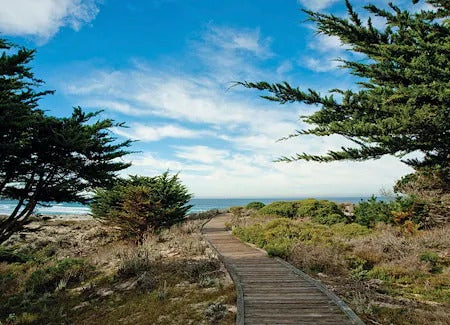
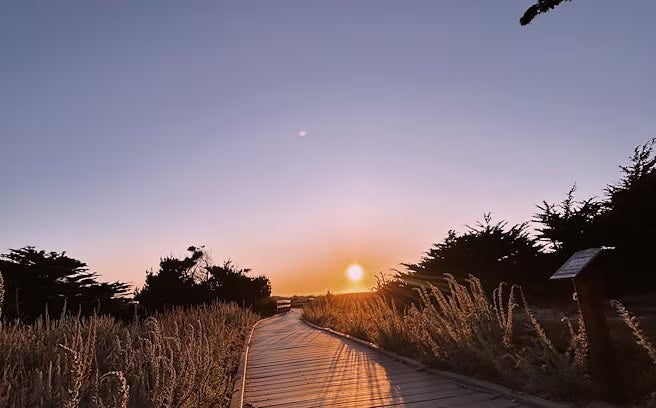
Not Spectators. Participants. At Asilomar, every moment draws you in—from Morgan-designed lodges and dune boardwalks to fires beneath the pines and gatherings in historic halls. The architecture is part of the experience, connecting each visit to the land, its history, and a story more than a century in the making.
Give Back to the Places You Love
Through our Round Up program and other philanthropic initiatives, guests can support preservation, education, and community programs near Lake Powell, helping protect the local landscape and the stories it holds. Because honoring legacy also means investing in the future.
Join the Journey
Landmarks of Legacy is more than a campaign. It is a movement across America's most meaningful places — a shared commitment to the destinations that shaped our nation and continue to define who we are. Learn more at landmarksoflegacy.com.
